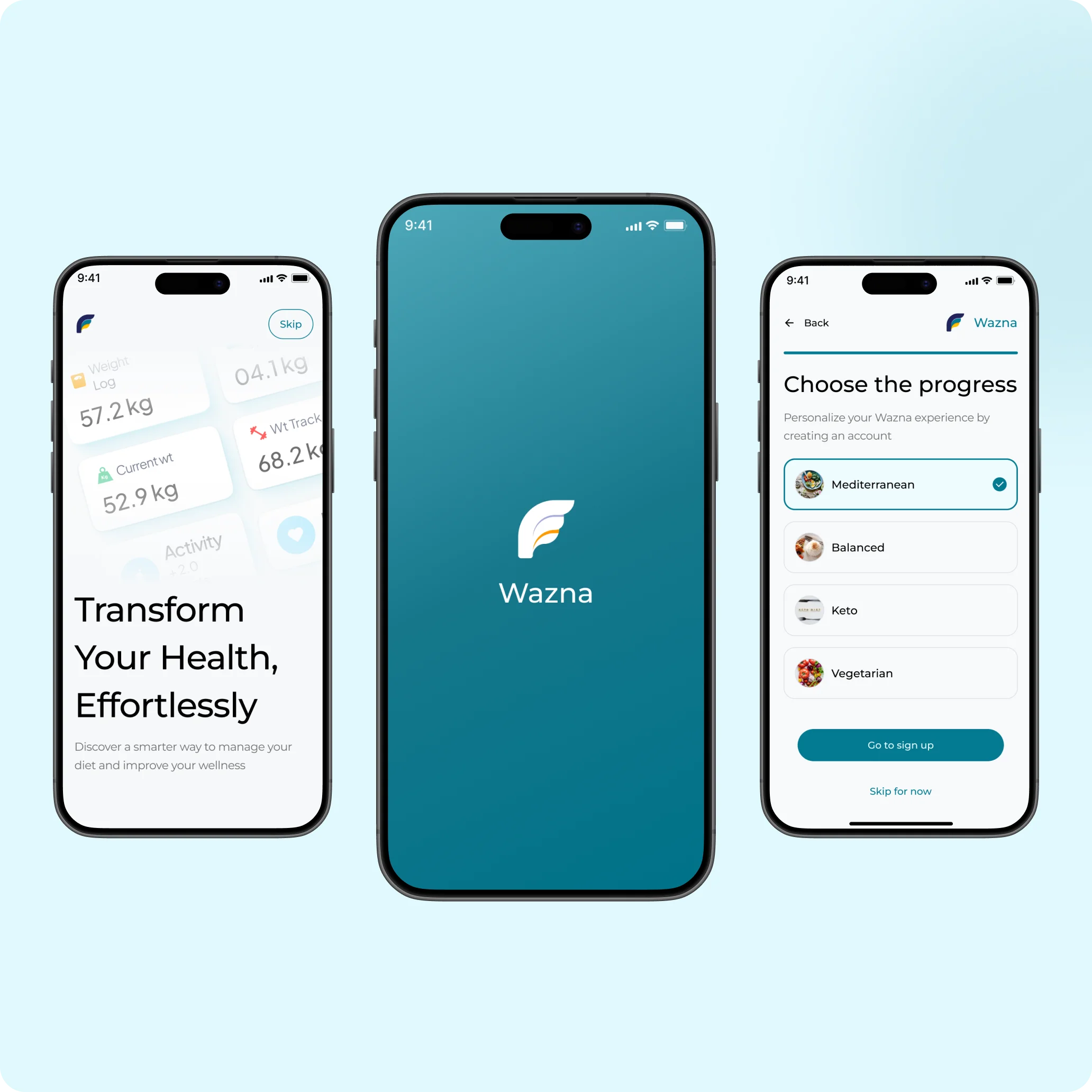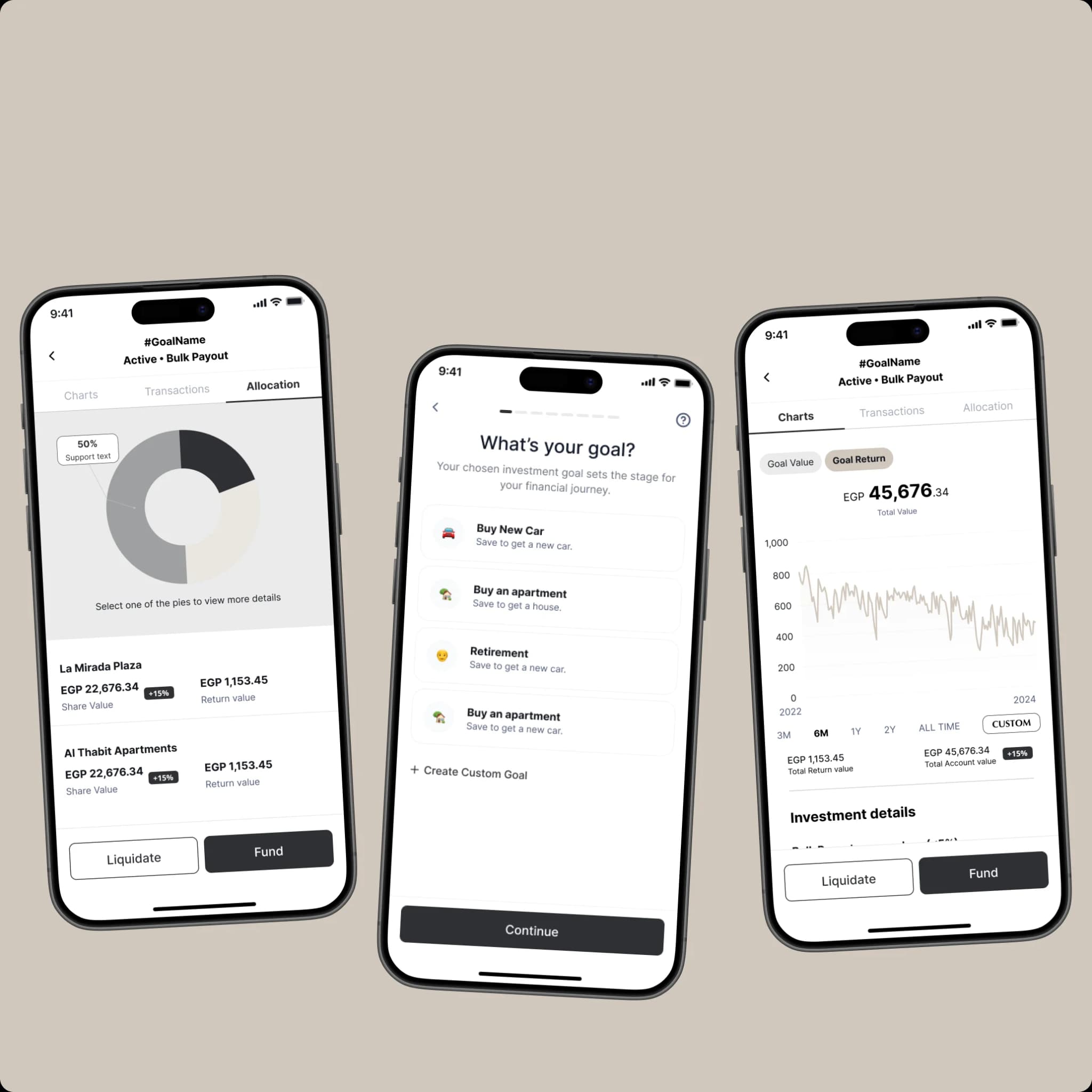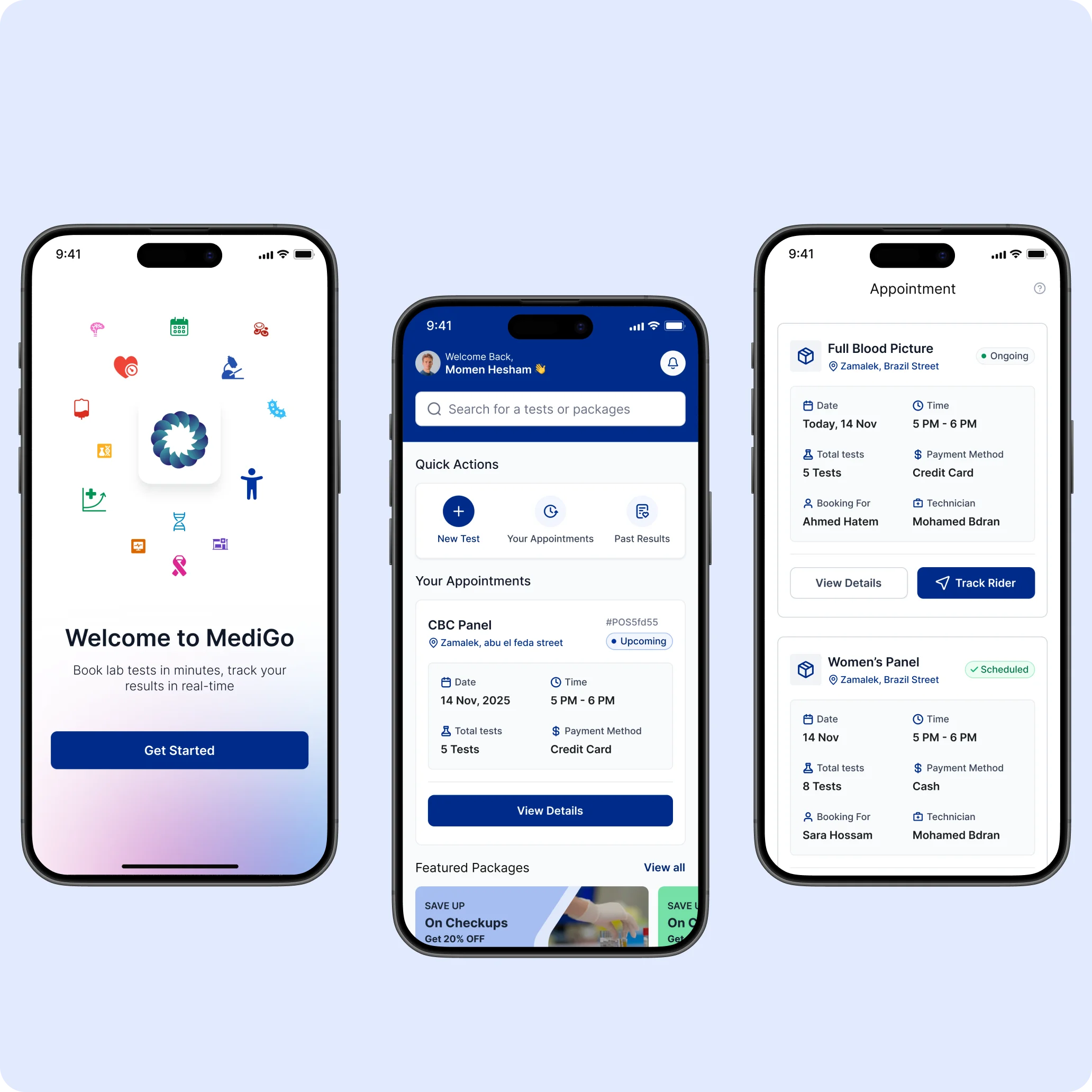
The handoff is a myth. The best products are built when design and engineering are working in the same file — and the same room. Everything we've learned about shipping faster comes back to that one habit.
§The Design File as a Spec
A Figma file is not a deliverable. It's a snapshot of a conversation. The moment we treat it as a finished spec, we lose the thing that makes it useful: the ability to update it when the engineer finds the edge case the designer missed.
§What Lives in Code, What Lives in Figma
- Tokens live in code — Figma reads from the codebase, not the other way around.
- Layout primitives live in code — flex stacks, grid templates, gap scales.
- Motion tokens live in code — durations, easing curves, spring configs.
- Edge cases live in Figma — empty states, error states, the long-name test.
- Copy variations live in Figma — short, long, missing, RTL.
Designers who don't read the code they're designing for are designing fiction.
§Ten Minutes a Day
Every pairing day starts with ten minutes in the actual product, on a real device, with real data. Not the staging environment with the seeded users named 'Test Test.' The real one. That short ritual surfaces nine of every ten handoff problems before they get to a ticket.
§Naming the Same Thing the Same Way
Half the friction between design and engineering is vocabulary. The Figma layer is called 'Card / Hero / Default,' the component file is called 'HeroCard,' the prop is called 'variant,' and the CSS class is called '.card-feature.' Pick a name once. Live with it everywhere.
§The Pair That Ships
The single most reliable predictor of a project shipping on time isn't the brief, the budget, or the framework — it's whether design and engineering trust each other enough to push back. The pair that argues well, ships well.